

Huaneng Design Institute
Design consulting EPC general contracting project supervision and other whole process professional service institutions
By 2027, achieve equipment upgrades and technological transformations in the fields of power transmission and distribution, wind power, photovoltaics, and hydropower.
By 2027, achieve equipment updates and technological transformations in the fields of power transmission and distribution, wind power, photovoltaics, and hydropower.
The National Development and Reform Commission and the National Energy Administration recently organized the preparation of the "Implementation Plan for Large-Scale Equipment Updates in Key Energy Fields," which proposes that by 2027, the investment scale for equipment in key energy fields will increase by more than 25% compared to 2023. It emphasizes the implementation of energy-saving transformations, heating transformations, and flexible transformations of coal-fired power units, as well as equipment updates and technological transformations in power transmission and distribution, wind power, photovoltaics, and hydropower.
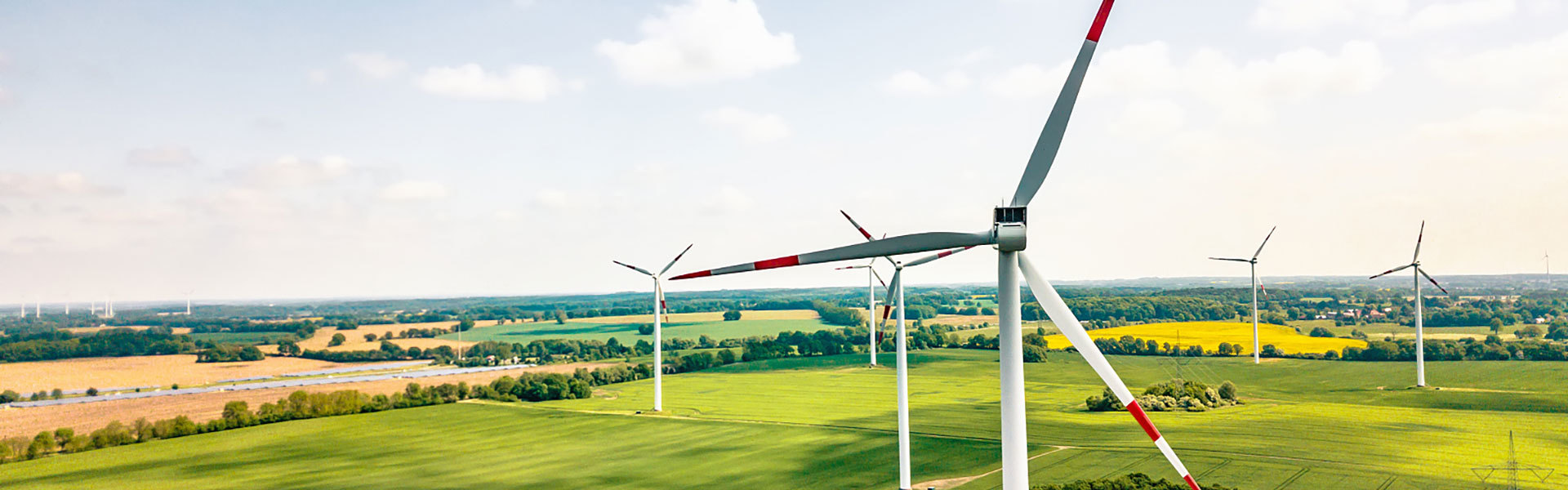
In promoting the update and recycling of wind power and photovoltaic equipment, the implementation plan encourages wind farms that have been connected to the grid for more than 15 years or have a single unit capacity of less than 1.5 megawatts to carry out upgrades. It encourages replacing existing small-capacity wind turbines with larger, technologically advanced mainstream models, supports the application of green low-carbon materials, new high-tower technologies, land-saving technologies, high-efficiency and intelligent wind turbines to increase electricity generation per unit area of land, and enhances the level of recycling and reuse of equipment facilities to improve the quality and efficiency of wind energy, land, and grid resources. It promotes the research and development of residual life assessment technology for old photovoltaic power plants' equipment and encourages updates through efficient photovoltaic modules, inverters, and other key power generation equipment while advancing the development of recycling and reuse technologies for photovoltaic modules.
The following is the original text.
Notice from the General Office of the National Development and Reform Commission and the Comprehensive Department of the National Energy Administration on Issuing the "Implementation Plan for Large-Scale Equipment Updates in Key Energy Fields."
Development and Reform Office Energy [2024] No. 687
Development and Reform Commissions and Energy Bureaus of all provinces, autonomous regions, municipalities directly under the central government, Xinjiang Production and Construction Corps; relevant central enterprises:
In order to implement the State Council's "Action Plan for Promoting Large-Scale Equipment Updates and Trade-in for Consumer Goods" (Guo Fa [2024] No. 7) and promote large-scale equipment updates and technological transformations in key energy fields, the National Development and Reform Commission and the National Energy Administration have organized the preparation of the "Implementation Plan for Large-Scale Equipment Updates in Key Energy Fields." It is now issued to you; please organize its implementation carefully.
General Office of the National Development and Reform Commission
Comprehensive Department of the National Energy Administration
August 3, 2024
Implementation Plan for Large-Scale Equipment Updates in Key Energy Fields
Energy is an important material foundation and driving force for economic and social development. Promoting large-scale equipment updates in key energy fields is an important measure to better coordinate high-quality development with high-level safety. To deeply implement the decisions made by the Party Central Committee, fulfill relevant requirements from the State Council's "Action Plan for Promoting Large-Scale Equipment Updates and Trade-in for Consumer Goods," promote large-scale equipment updates and technological transformations in key energy fields, support the construction of a new energy system, and help achieve carbon peak and carbon neutrality goals, this plan is formulated.
I. Overall Requirements
Guided by Xi Jinping's Thought on Socialism with Chinese Characteristics for a New Era, deeply implement the spirit of the 20th National Congress of the Communist Party of China, follow the deployment from the Central Economic Work Conference and the Fourth Meeting of the Central Financial Committee to coordinate expanding domestic demand with deepening supply-side structural reforms; balance high-quality development with high-level safety; implement actions for updating equipment in power transmission, distribution fields; implement actions for updating wind power photovoltaic equipment; implement actions for standard enhancement; accelerate building a clean, low-carbon, safe, efficient energy system; cultivate and develop new productive forces.
Adhere to a market-oriented approach with coordinated linkage; prioritize establishing before breaking down while advancing steadily; encourage advanced technologies while phasing out outdated ones; lead with standards while enhancing orderliness. By 2027, investment scale in key energy fields will increase by more than 25% compared to 2023. Focus on promoting energy-saving transformations of coal-fired units, heating transformations, flexible transformations—"three transformations linked together"—and achieve equipment updates and technological transformations in power transmission/distribution, wind power, photovoltaics, hydropower fields.
II. Key Tasks
(1) Promote updates and technological transformations of thermal power equipment.
Continue to promote energy-saving transformations, heating transformations, flexible transformations—"three transformations linked together"—to further reduce energy consumption in coal-fired units while enhancing their flexibility. Promote demonstration applications of biomass co-firing technology with coal to support low-carbon development in coal-fired power. Optimize existing unit structures comprehensively by phasing out outdated coal-fired units while converting some eligible shut-down units into emergency backup power sources. Appropriately relax service requirements for phasing out coal-fired units that need relocation due to urban construction demands based on local conditions. Based on unit safety and reliability as a foundation, vigorously promote safe updates to equipment. Accelerate digital design construction and intelligent upgrades in thermal power plants to build smart plants featuring intelligent perception, diagnosis, control, and operation.
(2) Promote updates and technological transformations of transmission/distribution equipment.
Encourage comprehensive renovations of old substations and transmission lines while accelerating updates to transformers that have been in operation for a long time or do not meet operational requirements as well as high-voltage switches, reactive compensation devices, protection measurement control devices to enhance grid operational safety capabilities. Focus on promoting updates to transmission/distribution equipment in high-altitude areas with high seismic intensity or frequent typhoons or flooding areas while enhancing disaster prevention capabilities. Build distribution networks moderately ahead of demand to enhance their capacity while meeting distributed renewable energy needs as well as electric vehicle charging infrastructure development. Focus on upgrading transformer capacities in old communities along with line improvements as well as smart meter upgrades. Leverage central budget investments to actively promote rural grid consolidation projects. Promote research/development/application of advanced technologies such as flexible DC transmission systems as well as AC/DC hybrid grids while accelerating digitalization/intelligent upgrades within grids along with new generation centralized control station constructions to enhance grid control/fault diagnosis capabilities.
(3) Promote updates and recycling of wind power equipment.
Encourage wind farms that have been connected to the grid for over 15 years or have a single unit capacity less than 1.5 megawatts to carry out upgrades according to requirements outlined in "Management Measures for Wind Farm Upgrades/Retirement." Encourage replacing existing small-capacity wind turbines with larger mainstream models that are technologically advanced while supporting applications using green low-carbon materials/new high-tower technologies/land-saving technologies/high-efficiency/intelligent wind turbines to increase electricity generation per unit area while enhancing recycling/reuse levels within facilities/equipment thereby improving quality/efficiency across wind energy/land/grid resources. Promote establishing comprehensive information monitoring throughout wind farm upgrade/retirement projects. Encourage generating companies/equipment manufacturers/research institutions to conduct studies on new technologies/standards/scenarios while establishing/improving a recycling industry chain system within wind power industries thereby cultivating/growing new business models focused on recycling within this sector.
(4) Promote updates and recycling of photovoltaic equipment.
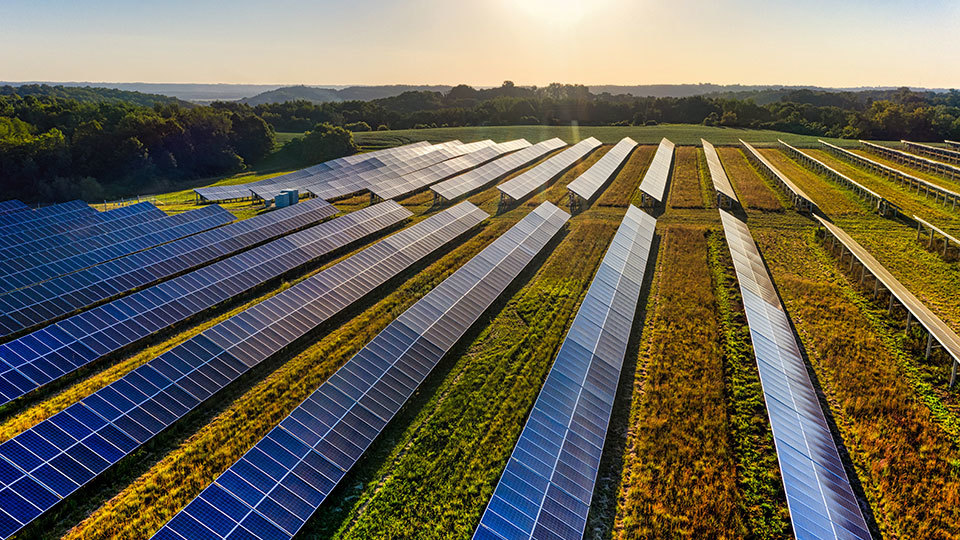
Support the network-type transformation of photovoltaic power stations, comprehensively improve the power generation efficiency and system support capability of the stations through power electronics technology, digital technology, and intelligent technology. Promote the research and development of residual life assessment technology for old photovoltaic equipment, encourage the update of key power generation equipment such as efficient photovoltaic modules and inverters, reasonably optimize the development layout and scale of photovoltaic power stations, enhance the energy density per unit area of photovoltaic power generation systems and land use efficiency of photovoltaic power stations, and improve the power generation capacity of photovoltaic power stations. Promote the development of recycling and reuse technology for photovoltaic modules, supporting low-cost green disassembly based on physical and chemical methods, high-value component efficient and environmentally friendly separation technology, and complete equipment research and development.
(5) Steadily promote the update and transformation of hydropower equipment.
Research to enhance the flexibility and wide-load operation capability of hydroelectric generator sets, explore the potential of hydropower resources, improve the operating efficiency of old units, increase the stable operation capacity of units, and better adapt to the operational needs of new power systems. For hydropower projects that have demand in the power system, conditions at the power station, and guaranteed elements, study to promote unit updates and transformations. Promote the construction of centralized control for basin hydropower, conduct research on smart hydropower-related technologies, and gradually promote smart operation of equipment and products.
(6) Promote the update and transformation of clean heating equipment.
Encourage provinces in northern regions to incorporate clean heating equipment into large-scale equipment updates and consumer goods replacement action plans based on their operational conditions, increasing local financial and policy support. Update and transform clean heating equipment that has reached its warranty expiration, support the development of safe, efficient, advanced, and reliable clean heating technologies, optimize and upgrade clean heating technology routes according to local conditions to ensure long-term sustainable operation after equipment updates, ensuring that people can 'afford it and use it well.'
(7) Promote equipment updates and technological transformation through standards.
Coordinate the revision of standards for energy consumption limits for coal-fired generator sets, design for medium and large thermal power plants, etc., promoting the construction of energy-saving, environmentally friendly, flexible, and efficient new-generation coal-fired generator sets. Accelerate the formulation and application of technical standards in areas such as vehicle-grid interaction and high-power charging, increase efforts to eliminate and update inefficient or failed charging piles, promoting quality upgrades in the industry. Establish a sound standard system in fields such as charging infrastructure, new energy storage, hydrogen energy, and electrical equipment to strengthen standard supply and upgrades in the energy industry, improving equipment efficiency and reliability.
III. Guarantee Measures
(1) Increase financial support policies. Increase funding support for equipment updates and technological transformations in key energy sectors, strengthen connections between banks and enterprises, guide financial institutions to enhance support for equipment updates and technological transformations, effectively utilize re-loans, fiscal interest subsidies, etc., and expand medium- to long-term loan issuance in manufacturing.
(2) Strengthen element guarantees. Encourage localities to strengthen resource guarantees for enterprise technological transformation projects by including land use, energy use, etc., in priority guarantee ranges. For technological transformation projects that do not require additional land and focus on equipment updates, simplify preliminary approval procedures.
(3) Strengthen innovation support. Focus on major technical equipment 'bottleneck' issues; actively carry out scientific research on major technical equipment. Improve mechanisms such as 'ranking for leadership,' 'horse racing,' and demonstration applications for first sets (units) in the energy field to accelerate the industrial application of innovative results. Actively utilize national key R&D plans and other scientific research special projects to support equipment updates and technological transformations in key energy sectors.
Key words:
Latest developments
Address: Floor 10, 18, 19 and 20, East Building, Building 1, Shun Tai Square, 2000 Shun Hua Road, High-tech Zone, Jinan City


