

Huaneng Design Institute
Design consulting EPC general contracting project supervision and other whole process professional service institutions
Guiding Opinions on Promoting the Development of "Internet" Smart Energy
All provinces, autonomous regions, municipalities directly under the Central Government and cities under separate state planning, the Development and Reform Commission, the Energy Bureau, the competent departments of industry and information technology, and all relevant central enterprises:
"Internet" smart energy (hereinafter referred to as energy Internet) is a new form of energy industry development in which the Internet and energy production, transmission, storage, consumption and energy market are deeply integrated. It has the main characteristics of equipment intelligence, multi-energy collaboration, information symmetry, scattered supply and demand, flat system and open transaction. In the new round of global scientific and technological revolution and industrial transformation, the deep integration of Internet concepts, advanced information technology and energy industry is promoting the rise of new technologies, new models and new formats of energy Internet. Energy Internet is an important strategic support to promote China's energy revolution. It is of great significance to increase the proportion of renewable energy, promote the clean and efficient use of fossil energy, improve the comprehensive efficiency of energy, promote the opening of energy market and industrial upgrading, form a new economic growth point, and enhance the level of international energy cooperation. In order to promote the development of the energy Internet, in accordance with the requirements of the "Guiding Opinions of the State Council on Actively Promoting the" Internet "Action" (Guo Fa [2015] No. 40), the following opinions are put forward.
General 1. requirements
(I) guiding ideology
Fully implement the spirit of the 18th National Congress of the Communist Party of China and the 3rd, 4th, and 5th Plenary Sessions of the 18th Central Committee, thoroughly implement the spirit of General Secretary Xi Jinping's series of important speeches, in accordance with the sixth meeting of the Central Finance and Economics Leading Group and the first meeting of the National Energy Commission. Decisions and deployment requirements, adapt and lead the new normal of economic and social development, focus on the overall and long-term development needs of the energy industry, with reform and innovation as the "Internet as the core, closely focus on building a green, low-carbon, safe and efficient modern energy system, promote the deep integration of energy and information, promote the development of new technologies, new models and new formats of the energy Internet, promote the supply-side structural reform of the energy sector, support and promote the energy revolution, and lay a solid foundation for realizing my country's transformation from an energy power to an energy power and upgrading its economy.
(II) basic principles
Basic open, public participation. Give full play to the fundamental role of the Internet in transforming the energy industry, promote the rational opening of energy infrastructure, promote the integration of energy production and consumption, enhance public participation, and accelerate the formation of a new form of energy industry development characterized by openness and sharing.
Exploration and innovation, demonstration first. Follow the law of "Internet" application development, create an open and inclusive innovation environment, encourage diversified technology, mechanism and model innovation, and promote the first trial of new technologies and new models of the energy Internet according to local conditions, so as to form a good atmosphere for innovation.
Market-driven, scientific regulation. Give full play to the decisive role of the market in the allocation of resources and drive the formation of new forms of energy Internet development. Adapt to the development requirements of new formats and big data applications, improve the security supervision and market supervision mechanism under the deep integration of energy and information, and protect information security and the legitimate rights and interests of market participants.
Deepen reform and promote revolution. Adapt to the development requirements of the "three-point technology and seven-point reform" of the energy Internet, deepen the reform of the energy system and mechanism, restore the attributes of energy commodities, build an effective competitive market structure and market system, and promote energy consumption, supply and technological revolution.
(III) development goals
Energy Internet is a new form of energy industry development, and related technologies, models and formats are in the exploration and development stage. In order to promote the healthy and orderly development of the energy Internet, it will be divided into two stages in the near and medium term. Pilot demonstrations will be carried out in advance, and subsequent promotion and application will be carried out to ensure effective results.
From 2016 to 2018, efforts will be made to promote the pilot demonstration of energy Internet: a number of pilot demonstration projects of different types and scales will be completed. A number of major key technologies and core equipment have been overcome, and energy Internet technology has reached the international advanced level. The initial establishment of energy Internet market mechanism and market system. The energy Internet technical standard system has been initially established, and a number of key technical specifications and standards have been formed. The birth of a number of energy finance, third-party integrated energy services and other emerging industries. Cultivate a number of competitive emerging market players. Explore a number of sustainable and scalable development models. Accumulate a number of important reform pilot experience.
In 2019-2025, efforts will be made to promote the diversified and large-scale development of the energy Internet: the initial establishment of the energy Internet industry system will become an important driving force for economic growth. Build a relatively complete energy Internet market mechanism and market system. Form a relatively complete technology and standard system and promote the realization of internationalization, leading the development of the world energy Internet. The formation of an open and shared energy Internet ecological environment, the overall energy efficiency has been significantly improved, the proportion of renewable energy has increased significantly, the clean and efficient use of fossil energy has made positive progress, and the degree of public participation has greatly increased, which strongly supports the energy production and consumption revolution.
2. key tasks
We will strengthen the construction of energy Internet infrastructure, build an intelligent system for energy production and consumption, a multi-energy collaborative integrated energy network, and an information and communication infrastructure coordinated with the energy system. We will create an open and shared energy Internet ecosystem, establish a new energy market trading system and commercial operation platform, and develop new models and formats such as distributed energy, energy storage and electric vehicle applications, smart energy use and value-added services, flexible green energy trading, and energy big data service applications. Promote key technology research, core equipment research and development and standard system construction of the energy Internet, and promote the international application and cooperation of energy Internet technologies, standards and models.
(I) promotes the construction of intelligent energy production and consumption infrastructure
1. Promote the intelligent production of renewable energy.
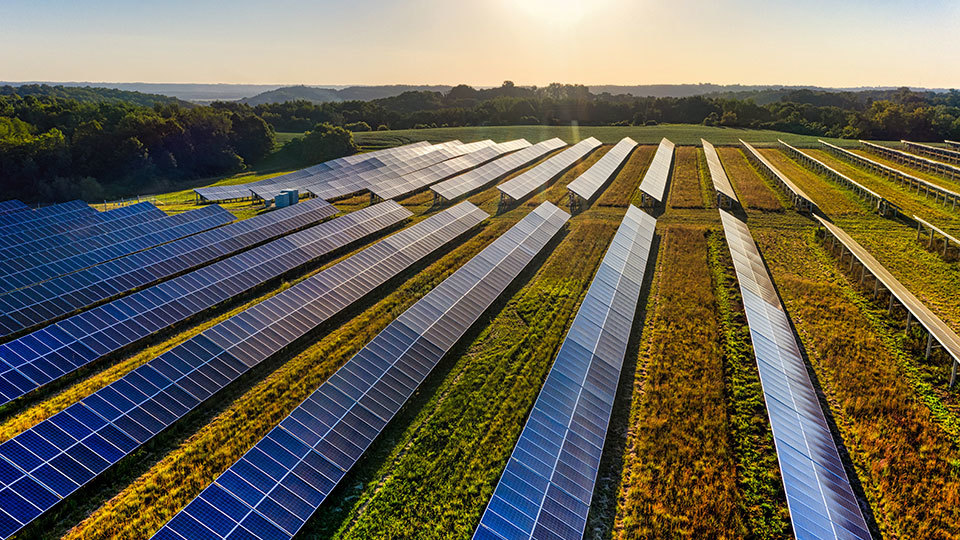
Encourage the construction of smart wind farms, smart photovoltaic power plants and other facilities and Internet-based smart operation cloud platforms to achieve intelligent production of renewable energy. Encourage the user side to build comprehensive energy utilization infrastructure such as cooling, heating and power, heat pump, industrial waste heat and pressure utilization, promote the coordinated development of distributed renewable energy and natural gas distributed energy, and improve the comprehensive utilization level of distributed renewable energy. Promote the collaborative production of renewable energy and fossil energy, and promote the clean replacement of inefficient fossil energy such as scattered coal. Construction of access facilities and support systems for metering, trading and settlement of renewable energy participation in the market.
2. Promote clean, efficient and intelligent fossil energy production.
Encourage coal, oil, gas mining, processing and utilization of the whole chain of intelligent transformation, to achieve green, clean and efficient production of fossil energy. Encourage the construction of electric heating, heat storage and other regulating facilities supporting fossil energy, encourage the development of natural gas distributed energy, enhance the flexibility and flexibility of energy supply, and achieve efficient cascade utilization and deep peak shaving of fossil energy. Accelerate the networked transformation of the fossil energy production monitoring, management and scheduling system, build a market-oriented production planning decision-making platform and intelligent information management system, improve the fossil energy pollutant emission monitoring system, and use the Internet to promote the efficient matching of fossil energy supply and demand, and operate intensively and efficiently.
3. Promote the collaborative development of centralized and distributed energy storage.
Development of electricity storage, heat storage, cold storage, clean fuel storage and other types, large capacity, low cost, high efficiency, long life energy storage products and systems. Promote the allocation of appropriate-scale energy storage power stations in centralized new energy power generation bases to achieve coordinated and optimized operation of energy storage systems, new energy and power grids. Promote the construction of distributed energy storage devices in residential, building and home application scenarios, and realize the hybrid configuration, efficient management and friendly grid connection of energy storage devices.
4. Accelerate the promotion of intelligent energy consumption.
Encourage the construction of smart homes, smart buildings, smart communities and smart factories characterized by smart terminals and flexible energy transactions to support the construction of smart cities. Strengthen power demand-side management, popularize intelligent energy monitoring and diagnostic technology, accelerate the construction of energy management centers for industrial enterprises, and build an Internet-based information service platform. To build a micro-balance system characterized by multi-energy integration, open sharing, two-way communication and intelligent regulation, and flexible integration of various energy-using terminals. Build access facilities and information service platforms for energy users at different levels of households, parks and regions to participate in the energy market.
(II) to strengthen the construction of multi-energy collaborative integrated energy network
1. Promote the construction of integrated energy network infrastructure.
Build an integrated energy network based on smart grids, interconnected with various types of networks such as heat pipe networks, natural gas pipe networks, and transportation networks, coordinated transformation of various energy forms, and coordinated operation of centralized and distributed energy sources. Strengthen overall planning, take the lead in the layout of new urban areas, new parks and key areas with serious air pollution, and ensure that the comprehensive energy network structure is reasonable and efficient. Build a flexible energy network with high flexibility to ensure flexible, controllable, safe and stable energy transmission. Build an integrated energy microgrid that accepts a high proportion of renewable energy, promotes flexible and interactive energy use behavior and supports distributed energy trading.
2. Promote the construction of energy access transformation and collaborative regulation facilities.
Promote the standardization and modular construction of different energy network interface facilities, support the "plug and play" and "two-way transmission" of various energy production and consumption facilities, and greatly enhance the acceptance capacity of renewable energy, distributed energy and diversified loads. Promote the construction of infrastructure that supports flexible conversion, efficient storage, and intelligent collaboration of multiple energy forms such as electricity, cold, heat, gas, and hydrogen. Construction of collaborative control infrastructure covering intelligent networks such as power grids, gas networks, and heating networks.
(III) promotes deep integration of energy and information and communication infrastructure
1. Promote the popularization and application of intelligent terminals and access facilities.
Develop the intelligent terminal advanced measurement system of energy Internet and its supporting equipment to realize real-time measurement, information interaction and active control of energy consumption such as electric energy, heat and refrigeration. Enrich the implementation function of the advanced measurement system of the intelligent terminal, promote the remote automatic collection and reading of water, gas, heat and electricity, and realize the integration of multiple tables. Standardize the networking structure and information interface of the intelligent terminal advanced measurement system, and realize safe, reliable and fast two-way communication with users.
2. Strengthen the construction of information and communication facilities to support the energy Internet.
Optimize the layout of sensing, information, communication, control and other components in the energy network, and achieve efficient configuration with various facilities in the energy network. Promote the connection and deep integration of information facilities between energy networks and the Internet of Things. Coordinated construction of energy networks such as power grids, gas networks, and heat networks, as well as their information architectures, storage units and other infrastructures, to achieve shared reuse of infrastructure and avoid duplication of construction. We will promote the power fiber-to-the-home project and improve the energy Internet information and communication system. On the basis of making full use of existing information and communication facilities, we will promote the construction of energy Internet information and communication facilities such as power communication networks.
3. Promote the efficient integration and intelligent control of information systems and physical systems.
Promote the efficient integration of information systems and physical systems in measurement, calculation, control and other multi-functional links to achieve real-time perception and information feedback of the energy Internet. Build an intelligent control system that integrates information systems and physical systems, and is characterized by "centralized control, distributed autonomy, and remote collaboration" to achieve rapid response and precise control of the energy Internet.
4. Strengthen information and communication security capacity building.
Strengthen the construction of the security infrastructure of the energy information communication system, and scientifically configure security policies according to the importance of information, communication methods and service objects. Relying on advanced password, identity authentication, encrypted communication and other technologies, we will build an information and communication security system for the transmission, preservation and distribution of information between users, data, equipment and the network under the energy Internet, so as to ensure the safe and reliable operation of the energy Internet. Improve the energy Internet network and information security incident monitoring, early warning and emergency response capabilities.
(IV) Building an Open and Shared Energy Internet Ecosystem
1. Build an open and shared system for the energy Internet.
Make full use of the rapid iterative innovation capability in the Internet field, establish open interfaces, network protocols and application support platforms for the interconnection of energy systems in a variety of applications and service scenarios, and support the rapid and convenient access of massive and various forms of energy supply and energy-using equipment. Starting from the local area, we will promote the hierarchical and regional interconnection of energy networks and the global management of energy resources, and support end users to achieve equal participation and energy sharing based on the Internet platform.
2. Build a market trading system for the energy Internet.
Establish a multi-party, equal and open energy market trading system with full competition, and restore the attributes of energy commodities. Cultivate new market players such as e-commerce, integrated energy operators and third-party value-added service providers. Gradually build a multi-trading system with energy, auxiliary services, new energy quotas, virtual energy currencies, etc. as the subject matter. Layered construction of energy wholesale trading market and retail trading market, based on the Internet to build energy trading e-commerce platform, encourage competition between trading platforms, to achieve anytime, anywhere, flexible peer-to-peer energy sharing and trading. Establish a micro-balance market trading system based on the Internet, and encourage individuals, households, distributed energy and other small and micro users to participate in the energy market flexibly and independently.
3. Promote business model innovation of energy Internet.
Build a value transfer system for energy and energy derivatives, support the capitalization and securitization of energy resources, equipment, services and applications, and provide a platform for B2B, B2C, C2B, C2C, O2O and other forms of business model innovation based on the "Internet. Promote cross-industry information sharing and business integration in the energy sector, and cultivate new business models such as energy cloud services and virtual energy currencies. Encourage flexible investment and financing methods such as crowdfunding and PPP for distributed energy to promote local collection and efficient use of energy. We will carry out the financial leasing business of energy Internet infrastructure, establish a circulation market for leased goods and second-hand equipment, and develop new business models such as sale and leaseback and profit sharing. Provide differentiated energy commodities, and provide value-added services for new businesses such as flexible energy use, auxiliary services, energy efficiency management, and energy saving services.
4. Establish an international cooperation mechanism for energy Internet.
Cooperate with the country's "Belt and Road" construction, establish and improve an open and shared energy Internet international cooperation mechanism, strengthen the interconnection of energy infrastructure with neighboring countries, and promote the "going global" of domestic energy Internet advanced technologies, equipment, standards and models ".
(V) development of energy storage and electric vehicle application new mode
1. Develop energy storage network management and operation mode.
Encourage the integration of multiple types of distributed energy storage equipment such as electricity storage, heat storage, cold storage, clean fuel storage and other scattered, redundant and performance-limited energy storage batteries, uninterruptible power supplies, electric vehicle charging and discharging piles and other energy storage facilities in the society under residential, building a database of energy storage facilities, and controlling and operating the existing distributed energy storage equipment through the Internet. Promote the use of waste power batteries for electric vehicles in energy storage systems such as energy storage power stations. Build an energy storage cloud platform to realize the modular design, standardized access, echelon utilization and network management of energy storage equipment, and support the free and flexible trading of energy. Promote energy storage to provide value-added services such as energy leasing, emergency backup, peak regulation and frequency regulation.
2. Develop the intelligent charging and discharging mode of vehicle network coordination.
Encourage charging and swapping facility operators, electric vehicle companies, etc., to integrate various data such as power grids, car companies, transportation, meteorology, and safety, and build a new energy vehicle operation cloud platform based on elements such as power grids, energy storage, and distributed power consumption. Promote the two-way interaction of energy and information between electric vehicles and smart grids, apply battery energy informatization and Internet technology, and explore new operating modes such as wireless charging, mobile charging, and intelligent guidance for charging and discharging. Actively carry out the intelligent charging and discharging business of electric vehicles, and explore new models for electric vehicles to participate in direct energy trading and power demand response using the Internet platform.
3. Develop a new mode of operation of new energy electric vehicles.
Make full use of renewable energy resources such as wind energy and solar energy, build new energy charging and discharging power stations and other infrastructure in cities, scenic spots, highways and other areas according to local conditions, provide electric vehicle charging and discharging, power exchange and other services, and realize the collaborative optimization of electric vehicles and new energy operation.
(VI) Development of a New Model of Smart Energy Use
1. Cultivate a new mode of intelligent energy use on the user side.
Improve the construction of an Internet-based smart energy trading platform. Build an integrated energy service center for smart homes, smart buildings, smart communities, and smart factories to achieve smart customization, active push, and resource optimization of multiple energy sources. Encourage enterprises, residential users and distributed resources, power load resources, energy storage resources through the micro-balance market for local independent transactions, through real-time transactions to guide the production and consumption of energy behavior, to achieve the integration of distributed energy production and consumption.
2. Build a new model of user-independent energy services.
Gradually cultivate new market players such as virtual power plants and load integrators, and increase the supply of flexible resources. Encourage users to independently provide flexible energy services such as energy response, frequency modulation, peak shaving, etc., and conduct dynamic and real-time transactions based on the Internet platform. Further improve the relevant market mechanism, compatible with users to directly, indirectly and other ways to independently participate in flexible resource market transactions channels. Establish a reasonable flexible resource compensation pricing mechanism to ensure a reasonable return on flexible resource investment.
3. Expand the new model of smart energy value-added services.
Encourage the provision of more differentiated energy goods and services. Build a user energy efficiency monitoring platform and realize data interconnection and sharing, and provide personalized energy efficiency management and energy saving services. Based on the Internet platform, it provides value-added services such as energy custody and transaction entrustment for user terminal facilities. Expand third-party credit evaluation and encourage energy enterprises or professional data service enterprises to expand independent energy big data information services.
(VII) Cultivate Flexible Trading Market Mode of Green Energy
1. Build a flexible green energy trading platform based on the Internet.
Build a flexible Internet-based green energy trading platform to support direct transactions between wind power, photovoltaic, hydropower and other green low-carbon energy and power users. Explore the environmental benefits of green energy, create corresponding energy derivatives, and provide differentiated green energy packages for different user groups. Cultivate new forms of green energy production, consumption and trading, such as third-party operation and maintenance and peer-to-peer energy services.
2. Build a real-time subsidy mechanism for renewable energy.
Establish a real-time subsidy settlement mechanism for distributed renewable energy based on an Internet platform to achieve real-time linkage between the measurement, certification and settlement of subsidies and renewable energy production transactions. Further explore the inclusion of large-scale wind farms, photovoltaic power plants, etc. into the scope of real-time subsidies based on the Internet platform.
3. Develop a certificate trading system for green energy.
Explore the establishment of a green certificate generation and certification mechanism linked to green energy production and trading in real time, promote the integration of the green certificate trading system with the current emissions trading system, and use green certificate trading as a useful supplement to carbon emissions trading through a reasonable mechanism. Promote the establishment of a compulsory quota system for green energy production, and realize the trading and settlement of green certificates based on the Internet platform. Promote the securitization and financialization of green certificates.
(VIII) Development of Energy Big Data Service Application
1. Realize the integration and safe sharing of energy big data.
Implement the national big data strategy in the energy field, actively expand the scope of energy big data collection, and gradually cover the energy fields such as electricity, coal, oil, and gas, as well as other fields such as meteorology, economy, and transportation. Realize the integration of multi-domain energy big data. Build a national energy big data center and gradually realize data integration and sharing with relevant market players. On the basis of safety and fairness, with effective supervision as the premise, break through the data barriers between government departments, enterprises and institutions, promote the integration of various data resources, and improve the timeliness and accuracy of energy statistics, analysis, and forecasting.
2. The business service system of innovative energy big data.
Promote innovation and entrepreneurship based on energy big data, and develop new business applications and value-added services for energy production, circulation, and consumption. Encourage energy production, service enterprises and third-party enterprises to invest in the construction of wind power, photovoltaic and other energy big data operation platform, for energy resources assessment, location optimization and other business to provide professional services. Encourage the development of information mining and intelligent forecasting business based on energy big data, and carry out accurate scheduling, fault diagnosis and condition maintenance for the operation and management of energy equipment. Encourage the development of specialized services related to greenhouse gas emissions based on energy big data. Encourage the development of energy-using big data information services for energy end users, real-time perception and dynamic analysis of energy-using behavior, and realize remote, friendly and interactive intelligent energy-using control.
3. Establish an industry management and supervision system based on energy big data.
Explore the establishment of a new energy planning model based on energy big data technology, precise demand-oriented, promote a multi-energy collaborative comprehensive planning model, improve the government's scientific decision-making level on major energy infrastructure planning, and promote decentralization and continuous innovation of energy systems and mechanisms. Promote the innovation of energy supervision mode based on energy Internet, give full play to the basic role of energy big data technology in energy supervision, establish a transparent and efficient modern energy supervision and management network system covering the whole chain of energy production, circulation and consumption, and improve the efficiency and efficiency of energy supervision. Build an Internet-based, hierarchical and hierarchical energy statistics, analysis and forecasting early warning platform to guide and supervise the control of total energy consumption.
(IX) to Promote Key Technologies of Energy Internet
1. Support the research and development of core equipment for energy Internet.
Develop new equipment that provides functions such as energy convergence, flexible distribution, precise control, and non-differentiated access, and provide hardware support for bottom-up autonomous networking and decentralized networked collaborative control of energy Internet facilities. Support the development and application of key technologies, products and equipment such as DC power grid, advanced energy storage, energy conversion, and demand side management. Promote clean alternative technologies such as port gasification and port electricity. Strengthen international cooperation in the research and development of energy Internet technology and equipment.
2. Support the research and development of key technologies of information physical system.
Research on low-cost, high-performance integrated communication technology. To study the information coding, encryption, inspection and communication technology for measurement, electricity price, control, service and other information types in the information physical system. The key technologies such as scheduling management and collaborative control of efficient integration of energy source flow and information flow in cyber physical systems are studied. The key technologies of unified modeling and security analysis of information-energy coupling are studied.
3. Support the research and development of key technologies for system operation transactions.
Modeling, analysis and optimization techniques for multi-energy integrated energy systems are studied. Research on centralized and distributed collaborative computing, control, scheduling and self-healing technologies. Research and development of energy e-commerce platforms that support multiple trading entities, multiple energy commodities and complex trading types. Research to support distributed, concurrent and interactive real-time transactions, Internet virtual energy currency certification, Internet virtual energy currency pricing, circulation, trading and settlement and other key technologies. Explore software-defined energy networking technologies.
(X) Construction of International Leading Energy Internet Standard System
1. Formulate general technical standards for energy Internet.
Research on the establishment of energy Internet standard system. Priority is given to the formulation of general standards for energy Internet, cross-industry public standards and important technical standards in coordination with smart cities and Chinese manufacturing 2025, including energy conversion standards, equipment standards, information exchange standards, safety protection standards, energy trading standards, measurement and collection standards, regulatory standards, etc. Promote the establishment of international standardization technical committees related to the energy Internet, and strive for core standards to become international standards.
2. Construction of energy Internet quality certification system.
Establish a comprehensive, advanced product testing and quality certification platform covering related industries. Establish a national energy Internet quality certification platform testing data sharing mechanism. Establish a national energy Internet product testing and quality certification platform and network. Encourage the construction of energy Internet enterprises and product databases, and regularly release test data. Establish and improve testing methods and evaluation systems to guide the healthy development of the industry.
3. organization implementation
(I) strengthen organizational leadership
Under the inter-ministerial joint meeting mechanism for the implementation of the "Internet" action, the National Energy Administration, together with the National Development and Reform Commission, the Ministry of Industry and Information Technology and other relevant departments, set up a special coordination mechanism for "Internet" smart energy to coordinate and solve major problems, summarize and promote success in a timely manner Experience and effective practices to effectively promote the implementation of the action. Strengthen the construction of energy Internet technology innovation platform, relying on enterprises, scientific research institutions, universities, the establishment of national energy Internet technology innovation center and key laboratory. Establish a cross-disciplinary and cross-industry energy Internet professional advisory committee to provide important support for government decision-making. Local development and reform (energy), industry and information technology authorities should take the lead in researching and formulating local energy Internet action implementation plans based on actual conditions, adapting measures to local conditions, making overall plans, scientifically organizing implementation, eliminating blind construction and repeated investment, and promoting energy in a pragmatic and orderly manner Internet action.
(II) improve policies and regulations
Establish and improve relevant laws and regulations to ensure the healthy and orderly development of the energy Internet. The energy law, power law and other laws and regulations in the process of revision should be adapted to the new model of energy Internet and the development needs of new formats. Strengthen the power and oil and gas system reform, other resources and environmental price reform, as well as carbon trading, energy rights trading and other market mechanisms and energy Internet development coordination and docking. Actively carry out energy Internet innovation policy pilots, break down policy barriers in terms of regional quotas, local protection, interconnection, data sharing, trading mechanisms, etc., and study and formulate relevant policies and regulations on prices, taxes, and insurance that adapt to the new energy Internet model and the development characteristics of new formats. Strengthen the management and protection of intellectual property rights of energy Internet technologies, products and models. Strengthen the construction of energy Internet information security policies, regulations and standards system.
(III) pushes for market reforms
Give full play to the decisive role of the market in the allocation of resources, and promote the establishment of a fair competition, open and orderly energy market trading system. Establish and improve the energy market access system, encourage third-party capital, small and micro enterprises and other emerging market entities to participate in the market, and promote the equal and coordinated development of enterprises of all types of ownership. Accelerate the construction of market systems in the power and oil and gas industries, establish market-based trading mechanisms and price formation mechanisms, so that price signals can reflect actual costs and supply and demand conditions in time and space, and effectively guide supply and demand. Market participants are allowed to negotiate independently or carry out trading of energy derivatives services such as energy commodities and flexible resources through centralized bidding on trading platforms, so as to stimulate market vitality to the maximum extent.
(IV) pilot demonstration
Focusing on the comprehensive and in-depth integration of modern Internet technology and energy systems, regions, departments and enterprises with the conditions are encouraged to carry out various pilot demonstrations of energy Internet applications according to local and industry conditions, and in technological innovation, operation models, development formats and institutional mechanisms In-depth exploration, first trial, summary and accumulation of successful experience that can be promoted, and lay a solid foundation for the healthy and orderly development of the energy Internet.
(V) innovation industry support
Incorporate the energy Internet into major project packages, increase capital investment in the central and local budgets, guide more social capital to enter, and organize the implementation of major energy Internet demonstration projects step by step. Give full play to the national science and technology plan and related special role, support the development of energy Internet basic, common and key technology research and development. Rely on financial innovation to explore enterprise and project financing, income distribution and risk compensation mechanism, reduce the energy Internet development access threshold and risk. Support eligible energy Internet project implementation entities to raise funds through bond issuance, equity trading, crowdfunding, PPP, etc. Actively give full play to the advantages of financial institutions such as funds, financial leasing and guarantees, and guide more social capital to invest in the energy Internet industry.
(VI) shared data resources
We will carry out a pilot reform on the graded utilization of energy public data, and study and formulate norms for the management and trading of energy data. From the national security, system security and user information security needs, promote the classification of energy information. Strengthen the safety supervision of the whole process of energy big data collection, transmission, storage, processing and sharing. We will strengthen the co-construction and sharing of energy Internet information infrastructure, establish an information public service network and database throughout the energy industry chain, and strengthen the docking, sharing and trading services of energy information of upstream and downstream enterprises. Encourage Internet companies to cooperate with energy companies to tap the commercial value of energy big data and promote the application and innovation of energy Internet.
(VII) strengthen the foundation of innovation
Promote the establishment of the Energy Internet Innovation Industry Alliance, cooperate with relevant government departments to strictly manage the access of energy Internet products, and carry out standards, testing and certification related work. Introduce and cultivate a group of leading, compound, and professional talents to form an intellectual guarantee system to support the construction of the energy Internet. Attract international talents in the field of energy Internet to engage in entrepreneurial innovation and teaching and research activities in China. Innovative talent training mode, establish and improve the multi-level, interdisciplinary energy Internet talent training system. Explore the establishment of energy Internet related majors or training projects in colleges and universities, and vigorously cultivate cross-border compound talents.
(VIII) strengthen publicity and guidance
All relevant departments, enterprises and news media should strengthen the publicity of energy Internet policy mechanisms, development trends, advanced technologies, demonstration projects and emerging formats through various forms, so as to let all sectors of society fully understand the energy Internet, expand the demonstration driving effect, attract more social capital to participate in the research, construction and innovative development of the energy Internet, and form a broad, active and sustainable atmosphere for the development of the energy Internet, it provides a good public opinion environment for the emergence of new technologies, new business models and new formats of energy Internet.
National Development and Reform Commission
National Energy Administration
Ministry of Industry and Information Technology
February 24, 2016
Latest developments
Address: Floor 10, 18, 19 and 20, East Building, Building 1, Shun Tai Square, 2000 Shun Hua Road, High-tech Zone, Jinan City


