


Huaneng Design Institute
Design consulting EPC general contracting project supervision and other whole process professional service institutions

New breakthrough! 1 hour of power generation ≈ the daily electricity consumption of 2500 households.
2024-07-05
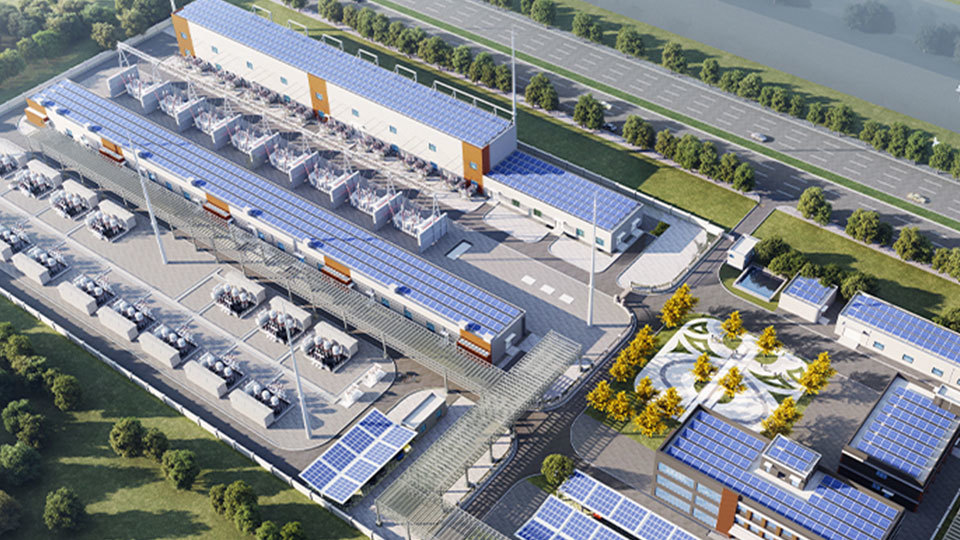
On July 4th, the first domestically developed 15-megawatt heavy-duty gas turbine - "G15" - rolled off the assembly line in Deyang, Sichuan. This supports our country in accelerating the formation of an independent gas turbine system and optimizing the energy structure, marking a breakthrough in the field of heavy-duty gas turbines in China.
2024-07-04
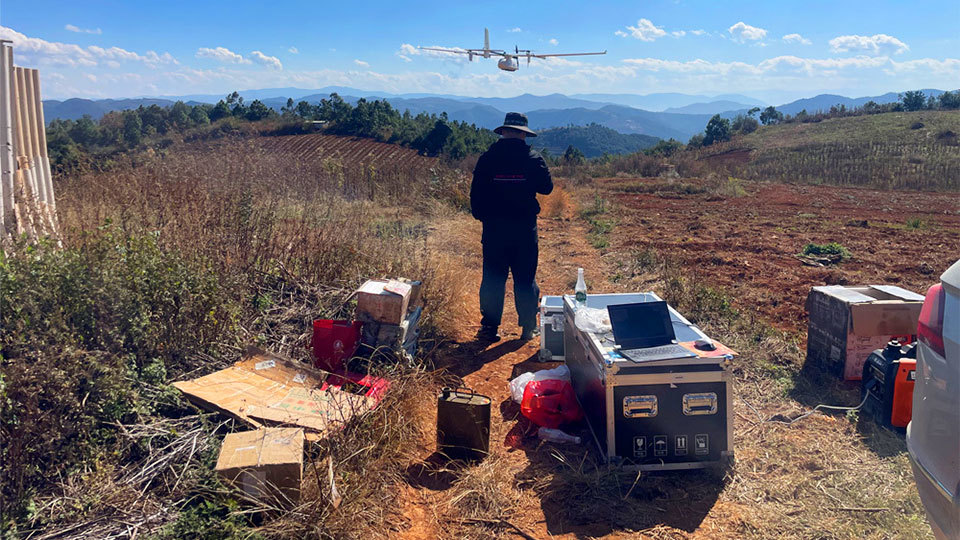
Technological Innovation Driven: Technology Safeguards a New Chapter in Resource Survey
Li Sheng, China Institute of Water Resources and Hydropower Research
Wind power and photovoltaic power generation, as key forces in building a new energy system, are important supports for promoting the green and low-carbon transformation of energy, achieving carbon peak and carbon neutrality, and are also an inevitable choice for ensuring national energy security. Recently, six ministries including the National Development and Reform Commission, the National Energy Administration, the Ministry of Natural Resources, the Ministry of Ecology and Environment, the China Meteorological Administration, and the National Forestry and Grassland Administration jointly issued a notice on conducting pilot resource surveys for wind power and photovoltaic power generation (hereinafter referred to as "Notice"), proposing to carry out resource surveys for wind power and photovoltaic power generation. The specific tasks are interpreted from five aspects.
1. Unifying Technical Standards System, Clarifying Resource Survey Guidelines
As the foundation for industry development, resource surveys have been conducted four times nationwide over the past decade, providing an important work basis for industry development. The first four surveys mainly focused on wind energy resource characteristics, and the most recent survey was conducted over ten years ago. There has not yet been a systematic nationwide survey of photovoltaic power generation resources. With the leapfrog development of wind and photovoltaic power generation at scale, some provinces have conducted local resource surveys based on work needs. However, due to unclear standard systems and inconsistent technical routes, there are significant differences in survey results, lacking uniformity, authority, and clear guiding significance.
In response to the diversity of wind and solar resource characteristics, terrain features, and development utilization forms in China, closely combining with the latest trends in wind and solar technology development under new circumstances in the new era, the "Notice" clearly states that during the pilot preparation phase, a technical standard guideline for surveys will be organized. This will form a systematic and standardized standards system from aspects such as basic data requirements, resource assessment methods, assessable capacity evaluation methods, and survey result compilation. This ensures that each pilot area can conduct survey work according to regulations in a scientific manner while continuously improving the standards system based on pilot area work effectiveness to provide strong guidance and support for conducting nationwide surveys.
2. Building a Comprehensive Data Foundation to Strengthen Survey Result Support
The completeness and accuracy of basic data are fundamental to conducting resource surveys for wind power and photovoltaic power generation. The "Notice" clearly states that basic data collection should be completed during the pilot preparation phase. The basic data for surveys can be roughly divided into three categories: first is current development basic data, mainly including current development status, land use status, equipment conditions; second is meteorological basic data, mainly covering wind energy and solar energy resource measurement data; third is development factor data including terrain data, national land "three adjustments", forestry and grassland data, etc. Additionally, it is necessary to comprehensively sort out national and local policies and planning documents related to land use requirements for wind and solar development to clarify the boundaries of wind and solar development utilization.
Based on relevant basic data from various departments and control requirements, technical means will be used for data integration to identify, analyze, and extract the conditions for developable resources of wind power and photovoltaic power generation in various regions as well as construction conditions and land use conditions to clarify areas suitable for developing wind power and photovoltaic power generation.
3. Building a Resource Observation Network to Accurately Assess Resource Characteristics
Wind and solar resource observation data are fundamental for accurately assessing wind and solar resource conditions. Wind and solar resource assessment is the cornerstone of assessable capacity evaluation; it is one of the decisive factors ensuring the development utilization of wind farms and photovoltaic power stations. It also guides technological innovation in wind and solar resources development utilization as well as promotes industrial development.
The "Notice" clearly states that during the pilot preparation phase, preliminary preparations for building a wind-solar resource observation network should be completed. Existing meteorological observation data along with measurement data from existing or under-construction stations should be fully utilized to construct regional resource observation networks as needed. Based on observation data, refined numerical simulations of wind-solar resources will be conducted through spatial distribution data analysis to set thresholds for assessable area resources clearly identifying areas suitable for development while scientifically assessing regional wind-solar resource conditions, temporal-spatial distribution characteristics, generation characteristics etc., promoting innovative developments in wind-solar technology as well as utilization methods providing solid data support for ensuring national energy supply security.
4. Innovating Survey Work Methods to Build an Intelligent Survey Work Platform
To ensure technical standardization and consistency in survey work, this survey will establish a unified work platform implementing unified work standards and processes. This platform integrates assessments of wind energy and solar energy resources while comprehensively considering factors such as terrain, geomorphology (submarine), geological hazards, land use categories, marine environment, development utilization technologies etc., fully utilizing advanced technologies such as big data, artificial intelligence, geographic information systems (GIS), satellite remote sensing etc., intelligently identifying suitable areas for arranging wind turbine units or photovoltaic arrays; integrating spatial elements of land use while connecting national policies with local policy documents regarding land use requirements intelligently delineating areas suitable for wind power generation and photovoltaic power generation. Through intelligent tools such as automatic layout planning constraints on dispersion degree equipment selection scale calculation etc., assessable capacity of wind power generation and photovoltaic power generation will be calculated achieving intelligent information-based efficient survey work.
5. Hierarchical Assessment of Developable Capacity to Assist Accurate Guidance from Survey Results
According to the deployment in the "Notice", this survey requires comprehensive mapping of theoretical developable capacity and technical developable capacity across all pilot areas according to unified technical standards while conducting hierarchical assessments on technical developable capacity. The hierarchical classification of technical developable capacity is divided based on dimensions such as resource conditions or generating capacity distinguishing differences between varying resource levels within the same type of energy source while clarifying differences in development utilization methods among different resource types within the same site area. Through hierarchical classification of technical developable capacity from an economic perspective it helps clarify priorities in development utilization; from a comprehensive utilization perspective it helps clarify methods of development utilization; from a planning guidance perspective it helps clarify deployment layout timing effectively guiding orderly scientific future developments in regional wind power generation and photovoltaic power generation.
Energy Policy Research (June 2024 Edition)
2024-07-04
(1) The Shandong Provincial People's Government issued the "Green Low-Carbon Transformation Action Plan (2024-2025)."
[Policy Information] On May 11, the Shandong Provincial People's Government released the "Action Plan for the 'Top Ten Innovations', 'Ten Strong Industries', and 'Top Ten Demand Expansions (2024-2025)'," which includes the "Green Low-Carbon Transformation Action Plan (2024-2025)" (hereinafter referred to as the "Action Plan"). It proposes to accelerate the promotion of green, low-carbon, and high-quality development of the economy and society. By 2024, the province's energy consumption intensity and carbon emission intensity will be further reduced, total emissions of major pollutants will continue to decrease, renewable energy generation capacity and absorption capacity will continuously improve, and production and lifestyle will accelerate green transformation; by 2025, all national energy conservation and emission reduction targets and environmental quality improvement goals set for the 14th Five-Year Plan will be fully achieved, with significant progress in optimizing and adjusting industrial structure, energy structure, and transportation structure.
[Policy Interpretation] The "Action Plan" deploys five major tasks around industry sectors, energy systems, infrastructure, etc.: First, promote the green low-carbon transformation of industries. Promote standardized and healthy development of "two high" industries, striving for a ratio of 35% of "two high" production capacity to reach energy efficiency benchmark levels by 2025; vigorously advance the transformation and upgrading of traditional industries, adhering to high-end, intelligent, green, and clustered directions; actively develop green environmental protection industries and vigorously develop energy-saving environmental protection equipment and services; accelerate the construction of a green manufacturing system, aiming to establish 500 provincial-level or above green factories and 50 green industrial parks by 2025; improve resource recycling levels. Second, accelerate the construction of a new energy system. Vigorously develop new energy and renewable energy; implement coal-to-power transformation actions; by the end of 2025, power generation units below 300,000 kilowatts will basically exit; actively promote oil and gas quality improvement and efficiency enhancement; by 2025, crude oil and natural gas production will stabilize at 21 million tons and 500 million cubic meters respectively, with coastal LNG annual unloading capacity reaching 25 million tons; enhance green electricity absorption capacity; by 2025, pumped storage in operation or under construction will reach about 10 million kilowatts, with new storage scale exceeding 6 million kilowatts. Third, accelerate the green upgrade of infrastructure. Vigorously develop railway transportation; focus on enhancing water transport service capabilities; promote green development in urban and rural construction; continuously improve urban municipal networks; continuously optimize rural living environments. Fourth, enhance ecological environment measurement. Deepen efforts to protect blue skies by achieving national air quality assessment targets for our province, reducing PM2.5 concentration to 38 micrograms per cubic meter and basically eliminating heavy pollution weather; deepen efforts to protect clear waters by maintaining overall stability in soil environmental quality by 2025 with safe utilization rate of polluted arable land reaching about 93%; promote scientific greening pilot demonstration province construction by completing national afforestation plans and nurturing forests over 200,000 acres by 2025. Fifth, actively practice the concept of a green low-carbon lifestyle. Conduct nationwide actions; promote green consumption; advocate for a green lifestyle.
(2) The National Energy Administration Shandong Regulatory Office issued the "Shandong Electricity Market Parameters (Trial)."
[Policy Information] On May 31, the National Energy Administration Shandong Regulatory Office issued the "Shandong Electricity Market Parameters (Trial)," which stipulates 31 parameter standards closely related to electricity market operations.
[Policy Interpretation] The parameters related to energy storage are as follows: The market capacity share of pumped storage power stations participating in the market is γ market % = 50%. The reserved system requires standby capacity of 2 million kilowatts that can be adjusted as needed by power dispatching agencies. The maximum allowable declaration deviation rate on the user side is temporarily set at λ1 = 20%. Among them, independent new-type storage, pumped storage, new energy combined with storage on the user side are temporarily not recovered; virtual power plant load units (#2F machine, #2R machine) are temporarily set at 50%.
(3) Shandong Electric Power Trading Center Co., Ltd. released the "Implementation Rules for Settlement in Shandong Electricity Market and Calculation Examples (Trial Version V1.0)."
[Policy Information] On June 6, Shandong Electric Power Trading Center Co., Ltd. issued a notice on printing the "Implementation Rules for Settlement in Shandong Electricity Market and Calculation Examples (Trial Version V1.0)," clarifying electricity settlement for generation side entities during debugging periods, wholesale market generation entities, wholesale market user side entities, retail markets etc.
[Policy Interpretation] Power dispatching agencies should push the first grid connection time and completion time of full equipment startup trial operation through technical support systems to power trading institutions and grid enterprises on the day when generating units and independent new-type storage complete their first grid connection or full equipment startup trial operation. The online electricity quantity during debugging periods for generating units and independent new-type storage will be settled according to debugging period prices. The settlement formula for electricity fees during debugging periods is: R debugging = Q debugging × P debugging where Q debugging is the online electricity quantity during debugging periods for generating units or independent new-type storage; P debugging is the settlement electricity price during debugging periods for generating units or independent new-type storage; R debugging is the settlement electricity fee during debugging periods for generating units or independent new-type storage. For new operating entities on user side electricity in wholesale markets during temporary unified dispatch operation periods, user-side previous day declaration deviation revenue recovery does not apply.
(1) The National Energy Administration issued a notice on ensuring good work on renewable energy consumption to guarantee high-quality development of renewable energy.
[Policy Information] To enhance the power system's ability to absorb renewable energy and accelerate the construction of supporting grid projects for renewable energy while actively promoting system adjustment capability enhancement and coordinated development between grid sources on May 28th, the National Energy Administration issued a notice outlining four key tasks along with two guarantee measures while relaxing absorption rates from 95% to 90% in regions with better resources.
Key tasks include: First, accelerate construction of supporting grid projects for renewable energy. Strengthen planning management with improved requirements for planning management work on supporting grid projects above and below 500 kV as well as distribution networks; expedite preliminary work while ensuring safety through optimization of connection processes while simplifying review procedures to further enhance efficiency. Second, actively promote enhancement of system adjustment capabilities along with coordinated development between grid sources. Strengthen system adjustment capability construction where provincial energy authorities collaborate with National Energy Administration dispatched agencies along with relevant departments based on renewable energy growth scale and utilization rate targets to conduct demand analysis for power system adjustment capabilities while formulating local adjustment capability enhancement plans tailored to local conditions; strengthen evaluation recognition of adjustment resource effects while conducting comprehensive assessments on flexibility transformation effects of coal-fired units along with various types of storage facilities' adjustment performance as well as load-side adjustment resources' participation scale in system adjustments along with confidence levels; orderly arrange construction projects for renewable energy while effectively enhancing renewable energy grid connection performance. Thirdly fully leverage electric grid resource allocation platform roles while further enhancing electric grid resource allocation capabilities where electric grid enterprises should further increase proportions of renewable energy transmitted through inter-provincial transmission channels while strengthening inter-provincial mutual assistance while comprehensively enhancing distribution network observability controllability capabilities while fairly utilizing various adjustment resources while constructing intelligent dispatch systems; fully leverage electric power market mechanisms while optimizing inter-provincial electricity trading mechanisms. Fourthly scientifically optimize renewable energy utilization rate targets where scientifically determining regional renewable energy utilization rate targets should fully consider factors such as renewable energy development system carrying capacity economic viability user affordability while comprehensively determining regional utilization rate targets where regions with better resource conditions may appropriately relax but generally not lower than 90% while conducting annual dynamic assessments based on absorption situations while optimizing management methods for renewable energy utilization rate targets while strengthening execution thereof.
Guarantee measures include: First solidly manage statistical data regarding renewable energy consumption where generation enterprises along with grid enterprises unify statistical caliber for renewable energy utilization rates while national monitoring early warning centers along with national renewable energy information management centers jointly ensure statistical verification regarding renewable energy consumption data. Second regularly conduct monitoring analysis along with regulatory work regarding renewable energy consumption where National Energy Administration organizes relevant units focusing on strengthening supervision over cross-provincial measures regarding renewable energy consumption.
[Policy Interpretation] Since 2019 national policies have strictly controlled wind abandonment rates setting a high utilization target at 95% significantly promoting renewable energy development ensuring investment enthusiasm through administrative means addressing severe wind abandonment issues in regions like Northwest China under favorable resource conditions which was significant at that time. As time progresses proportions of installed renewable energies have increased even surpassing regulated thermal power making it increasingly difficult to maintain a high absorption rate at 95%. Meanwhile prices for wind-solar equipment have continued declining allowing power investors to bear certain levels of wind abandonment. At this point maintaining a high level absorption rate at 95% has led various regions instead starting to restrict access for renewable energies which is detrimental to their development. This notice aims at enhancing power systems' ability to absorb renewable energies ensuring large-scale development occurs alongside reasonable utilization levels thus relaxing high-level absorption restrictions down to a baseline of 90% aligns well with current stages in developing renewables. Of course this baseline applies primarily in regions like Inner Mongolia Xinjiang Qinghai etc., whether absorption rates will decline in developed eastern provinces needs determination from provincial-level energy authorities. Determining absorption rates involves various aspects including wind-solar investments storage industries etc., affecting multiple areas simultaneously. In eastern regions like Jiangsu Zhejiang etc., where loads are substantial achieving an absorption rate reaching up to100%, Shandong exceeding98%, there currently lacks motivation through lowering absorption rates to increase access capabilities thus provincial-level authorities are expected to remain cautious possibly maintaining existing utilization rates at95%.
In addition to absorption rates this notice clearly accelerates construction projects supporting renewables actively promotes enhancement in system adjustment capabilities alongside coordinated developments between grids sources among other key tasks from an optimal systems perspective allowing more space for developing renewables which holds significant importance towards planning constructing new types of energy systems accelerating establishment towards new electric systems alongside new types of energies improving management mechanisms regarding renewables supporting high-quality developments within renewables pushing towards achieving dual carbon goals.
(2) Multiple national ministries jointly issued series documents including "Special Action Plan for Energy Conservation and Carbon Reduction in Steel Industry."
[Policy Information] To further intensify efforts towards conserving energy reducing carbon emissions implementing special actions across sectors industries accelerating transformations towards conserving carbon emissions updating equipment used intensively exploring potential within conserving carbon emissions on June7th multiple departments including National Development Reform Commission Ministry of Industry Information Technology Ministry Ecology Environment Ministry State Administration Market Regulation along with National Energy Administration jointly issued series documents including "Special Action Plan for Energy Conservation Carbon Reduction in Steel Industry" (Development Reform Environment Resource [2024] No730), "Special Action Plan for Energy Conservation Carbon Reduction in Refining Industry" (Development Reform Environment Resource [2024] No731), "Special Action Plan for Energy Conservation Carbon Reduction in Synthetic Ammonia Industry" (Development Reform Environment Resource [2024] No732), "Special Action Plan for Energy Conservation Carbon Reduction in Cement Industry" (Development Reform Environment Resource [2024] No733).
The series documents clarify main objectives regarding conserving carbon emissions across four industries namely steel refining synthetic ammonia cement deploying key tasks around optimizing industrial structures conserving carbon emissions updating equipment transitioning towards low-carbon consumption recycling resources digital upgrades among others strengthening policy guarantees around incentives constraints funding support standard enhancements technological innovations alongside proposing work requirements around organizational leadership project implementation supervision management publicity guidance etc., respectively identifying green hydrogen substitution hydrogen new technology research application as important pathways towards conserving carbon emissions across four industries among which increasing share consumption within refining synthetic ammonia industries stands out as one major developmental goal.
Moving forward National Development Reform Commission will collaborate alongside relevant departments supporting promoting various regions relevant industries enterprises effectively implement these documents ensuring deep implementation across sectors industries special actions towards conserving carbon emissions accelerating transformations updating equipment used intensively providing robust support towards advancing peak carbon neutrality goals accelerating transition towards greener developmental methods.
[Policy Interpretation] Industries such as steel refining synthetic ammonia cement represent crucial foundational sectors within national economy also being key areas contributing significantly towards CO2 emissions within high-energy-consuming fields currently approximately15% each within crude steel refining synthetic ammonia cement sectors still fail meeting benchmark efficiency levels showcasing immense potential within conserving carbon emissions. The documents released clarify main objectives across four industries aiming through implementing transformations updating equipment used intensively between2024-2025 steel refining synthetic ammonia cement sectors collectively achieving conservation amounts around32 million tons standard coal reducing CO2 emissions approximately84 million tons by end-2025 achieving production capacities above benchmark efficiency levels reaching30% whilst capacities below benchmark efficiency levels completing technological transformations or exiting.
Within action plans concerning refining synthetic ammonia industries increasing share consumption within green hydrogen creates opportunities towards hydrogen industry development historically hydrogen developments primarily focused around fuel cell vehicles however due factors such as incomplete supporting systems expensive pricing volumes remained limited growth potential whereas developing green hydrogen opens another pathway EU's carbon tariffs inject strong impetus into hydrogen developments domestically also starting from chemical sectors requiring usage within green hydrogen driving acceleration across related industries such as green hydrogen green ammonia green alcohol thus seizing opportunities becomes crucial.
Overall national efforts actively promote conserving carbon emissions across relevant sectors ensuring stringent entry barriers against newly launched projects implementing conservation transformations updating equipment utilized optimizing structures surrounding consumption effectively enhances efficiency lowers CO2 emission levels holding significant importance towards supporting overall societal conservation efforts.

2024-07-02
Energy is an important material foundation and driving force for the economic and social development, closely related to national economy, people's livelihood, and national security. Since the 18th National Congress of the Communist Party, General Secretary Xi Jinping has attached great importance to energy work, making a series of important instructions and directives to promote energy development. In June 2014, he creatively proposed the new energy security strategy of "Four Revolutions and One Cooperation," providing fundamental guidelines for promoting high-quality energy development in the new era. We must earnestly study and implement the spirit of General Secretary Xi Jinping's important speeches and directives, adhere to the Party's comprehensive leadership over energy work, base ourselves on the national energy situation, anchor our goals for a strong country, and accelerate the construction of a new energy system as a guide. We should maintain stability while seeking progress, promote stability through progress, establish before breaking, better coordinate high-quality development with high-level security, comprehensively enhance the security guarantee capability of energy resources, and contribute energy strength to Chinese-style modernization.
1. The practice of energy development in the new era has laid a solid foundation for building a new energy system. Since the new era, especially in the past ten years since the proposal of the new energy security strategy, under the strong leadership of the Party Central Committee with Comrade Xi Jinping at its core, the national energy industry has made every effort to ensure energy security, persistently promoted energy transformation and reform, actively advanced a series of strategic measures and transformative practices, achieving a series of breakthrough progress and landmark results, thus creating new achievements in energy development and opening up new situations. Our country's energy security has been effectively guaranteed, significant achievements have been made in energy infrastructure construction, and major breakthroughs have been achieved in nuclear power technology and new energy technology.
We are promoting an energy consumption revolution; the path of ecological priority and green low-carbon development is becoming broader. We are deeply implementing the new development concept and fully implementing the "dual carbon" goals. We are actively transforming our energy consumption patterns and significantly improving energy utilization efficiency. With an average annual growth rate of about 3.3% in energy consumption supporting an average annual economic growth rate of over 6%, currently, our clean energy consumption accounts for 26.4%, while coal consumption has decreased from 68.5% in 2012 to 55.3% in 2023. Our contribution to global non-fossil energy consumption growth exceeds 40%, and our unit GDP energy consumption reduction is more than double the world average during the same period. In 2023, more than half of the newly added renewable power generation capacity globally was in China. Practice tells us that to accelerate the construction of a new energy system, we must fully implement the new development concept accurately and comprehensively, persistently promote an energy consumption revolution, accelerate the formation of an industrial structure, production methods, lifestyles, and spatial patterns that save resources and protect the environment, and firmly follow a path of ecological priority and green low-carbon development.
We are promoting an energy supply revolution; we must firmly hold our own bowl of rice when it comes to energy. Our country is based on its national conditions regarding energy and is comprehensively advancing supply-side structural reforms to significantly enhance domestic resource production capacity while continuously increasing high-quality effective supply. We are deeply implementing a series of strategic measures such as releasing advanced coal production capacity, significantly enhancing oil and gas exploration and development efforts, constructing a new power system, etc., successfully completing globally leading projects like Baihetan Hydropower Station and "Hualong One" nuclear power station. We have historically solved electricity access issues for populations without electricity; non-fossil energy development leads globally; clean and efficient utilization of fossil energies has achieved remarkable results; our diversified supply system for coal, oil, gas, new energies, and renewable energies has been further consolidated; safety production levels have continuously improved; we have not only withstood severe tests from COVID-19 and major natural disasters but also effectively responded to international fluctuations in energy prices, providing safe and reliable power support for sustained healthy economic and social development.
Practice tells us that to accelerate building a new energy system, we must remember that China is the world's largest developing country. With a strong sense of responsibility for ensuring energy security for over 1.4 billion people, we must unswervingly promote an energy supply revolution while ensuring safety in supply through multiple measures to expand effective supply without wavering in doing our own work well—resolutely holding our own bowl of rice firmly in our hands.
2024-06-29
Wind power and photovoltaic power generation, as key forces in building a new energy system, are important supports for promoting the green and low-carbon transformation of energy, achieving carbon peak and carbon neutrality, and are also a necessary choice for ensuring national energy security. Recently, six ministries including the National Development and Reform Commission, the National Energy Administration, the Ministry of Natural Resources, the Ministry of Ecology and Environment, the China Meteorological Administration, and the National Forestry and Grassland Administration jointly issued a notice on "Conducting Pilot Work for Wind Power and Photovoltaic Power Generation Resource Survey" (hereinafter referred to as the "Notice"), proposing to carry out resource surveys for wind power and photovoltaic power generation. The specific tasks are interpreted from five aspects.

2024-06-26
On June 20, at the press conference series themed "Promoting High-Quality Development," Li Chuangjun, Director of the New Energy and Renewable Energy Department of the National Energy Administration, stated that currently, the photovoltaic industry in China is indeed very competitive. To guide the healthy development of the industry, we will take the following measures: First, we need to consolidate the new installed capacity market for domestic photovoltaic power generation. A stable domestic market is the "foundation" and "ballast" for the continuous and healthy development of China's photovoltaic industry. We will adhere to a balanced development of centralized and distributed systems. On one hand, we will strengthen the construction of large-scale wind and photovoltaic bases focused on desert, gobi, and barren areas; on the other hand, we will steadily implement the "Thousand Households Sunlight Action" to vigorously develop distributed photovoltaic power generation. At the same time, we will accelerate the construction of a new energy infrastructure network to improve the grid's ability to accept, allocate, and regulate new energy generation, including photovoltaics. Secondly, we will enhance multi-department coordination to standardize the order of the photovoltaic power generation industry. We will work with relevant departments to organize industry associations to timely release information on industry scale, capacity utilization rates, and market demand to reasonably guide upstream capacity construction and release in photovoltaics, avoiding redundant low-end capacity construction and striving to create a good market environment. Finally, we will continue to enhance photovoltaic technology innovation capabilities. We will fully leverage the leading role of national energy R&D innovation platforms to direct resources towards supporting research and innovation in advanced technologies and capacities, promote key technological breakthroughs in efficient solar cells, and advance upgrades in key basic materials technology. We will work with relevant departments to continuously strengthen the construction of a standard system for the photovoltaic industry, enhance standard innovation leadership, and promote healthy industrial development.
Address: Floor 10, 18, 19 and 20, East Building, Building 1, Shun Tai Square, 2000 Shun Hua Road, High-tech Zone, Jinan City


Business License